
We’re excited to announce our new groundbreaking research projects focused on accelerating answers for people living with Charcot Marie Tooth disease. These innovative studies push beyond traditional approaches, targeting the biology of CMT in bold new ways — with the goal of improving mobility, strength, and quality of life for every patient. Together with our scientific partners and supporters, we’re driving real progress toward treatments that matter. Hope is not passive. Hope is research in motion.
Dr. Mario Bortolozzi
TIN has extended our sponsorship of the laboratory of Mario Bortolozzi at the Veneto Institute of Molecular Medicine in a research project aimed directly linking genetic defects of CMTX1 patients, with dysfunction of the protein that is produced by the disease gene.
Project: “Linking Cx32 hemichannel dysfunction to CMTX1 pathogenesis.”
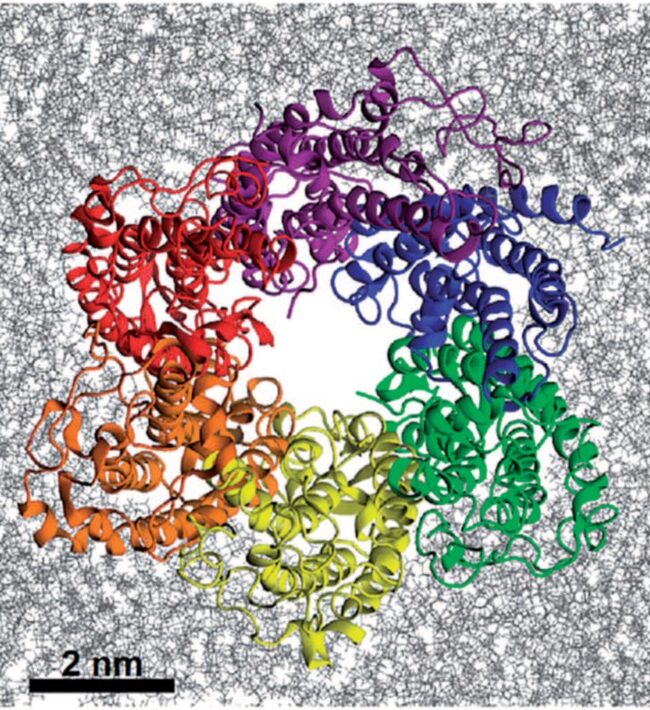
Mario’s work looks to understand how mutations alter the opening and closing of the Cx32 protein channels. This protein is used as a ‘communication channel’ between cells, regulating what molecules get passed from one cell to another and what gets blocked. Mutations alter this communication channel and Mario is trying to understand how it is altered and how this leads to the disease. Understanding this will enable future drug screening opportunities, which Mario is working towards.
PsychoGenics “Biomarker Study”
This recently completed study looked at the change in the expression of certain proteins in blood-plasma as “markers of biological change” (i.e., disease progression, intensity, and treatment response). Neurofilament-light chain protein (NF-L) is a key structural protein in neurons. When neurons start to break down, they release NF-L. Results of this study showed a significant increase of NF-L concentration in the blood of a CMT mouse. According to Psychogenics; “NF-L is measurable and predictive of both normal biological and pathogenic processes. Additionally, NF-L serves as a pharmacodynamic biomarker, as it can be used to access pharmacologic responses to therapeutic interventions.”
This information will allow us to monitor the disease progression and facilitate the translation of treatments more effectively when in clinical trials.
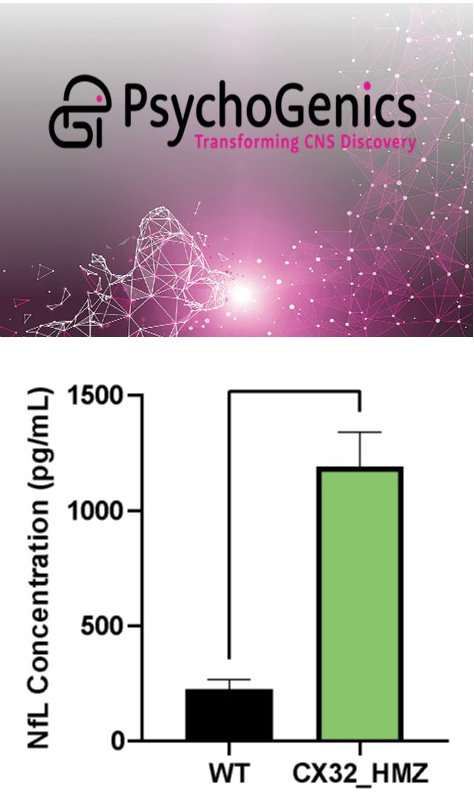
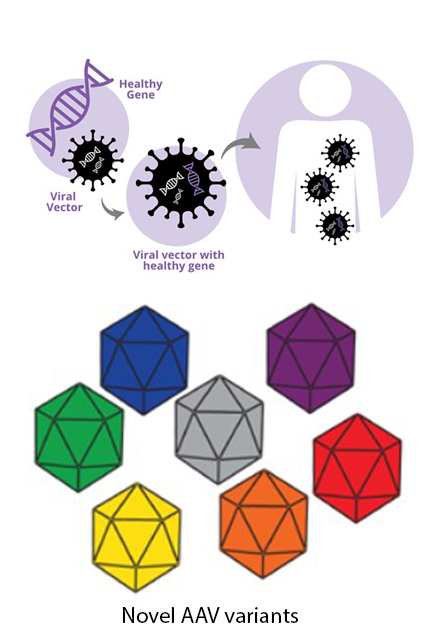
image source: AskBio.com
Dr. Bredan Zotter, Dr. Beverly Davidson, Dr. Steven Scherer
Project: “Improved Viral Targeting of Schwann Cells for Gene Therapy in Hereditary Neuropathies”
Background: Adeno-associated viruses’ (AAVs) are engineered viral ‘vehicles’ that carry the gene therapy to the body of the patient. They are not the therapy, but the delivery mechanism. Because AAV’s do not specifically target the cell of interest, aka the Schwann cell, researchers have to use higher doses of AAV-gene therapies to reach a sufficient amount of Schwann cells in the nerve. This carries health risks for the patient.
A major goal of this project is to improve the AAV targeting of Schwann cells (SCs) through specific engineering of the AAV surface proteins, which will improve efficiency and safety of future gene therapies. The proposed studies will develop novel adeno-associated virus (AAV) variants for correcting the genetic defects that cause inherited demyelinating neuropathies such as CMT. The development of an improved tool like this (AAV targeting of SCs) will make it possible to develop safer, more affordable, and more effective gene therapy for those suffering from CMT.
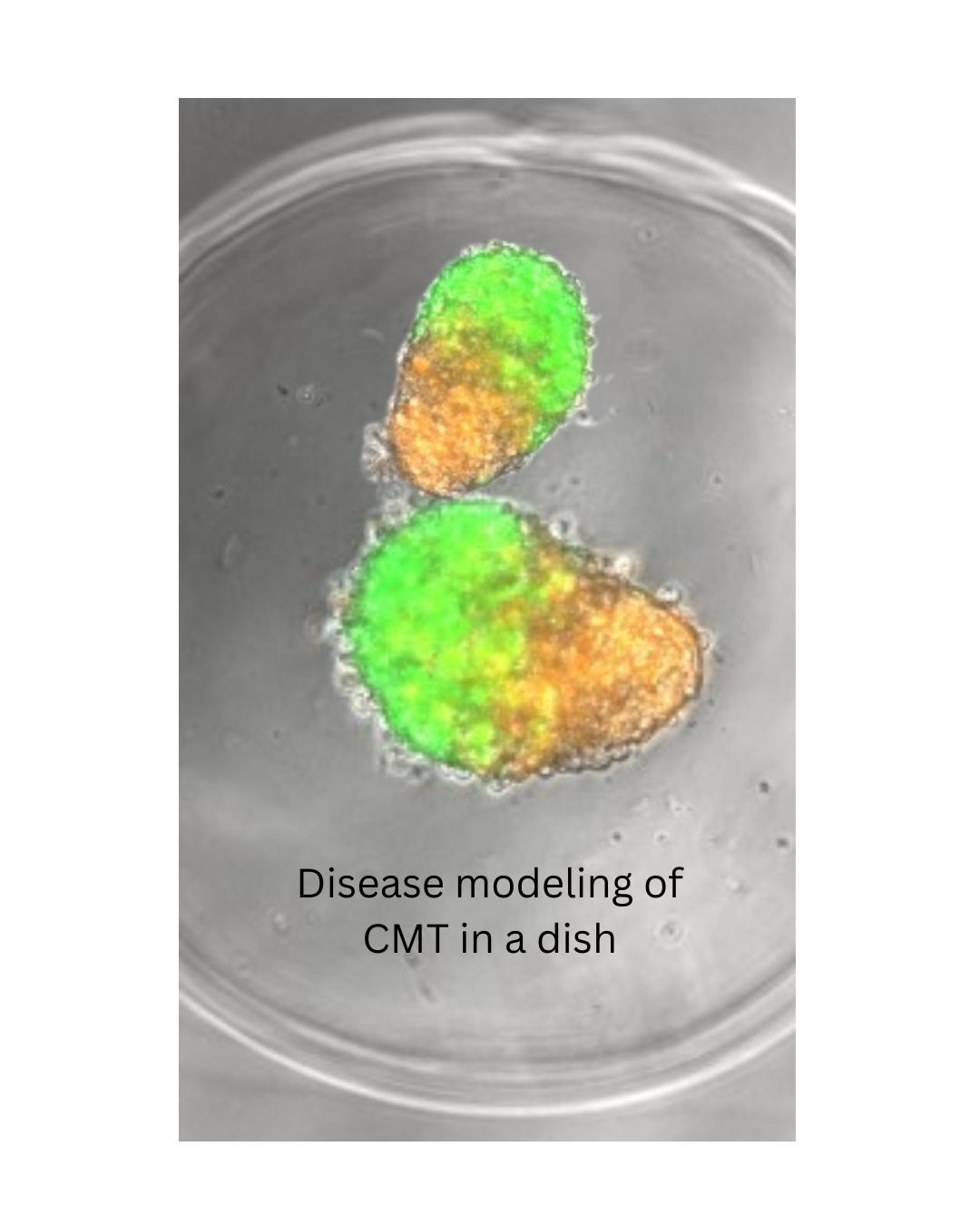
image source: AskBio.com
Dr. Robert Prior
Project: “Development and characterization of human CMTX1 neuromuscular organoids”
Dr. Robert Prior, TIN board member & one who has many years of lived experience with Charcot-Marie-Tooth disease, has developed a platform for ‘functional’ disease modeling of CMT in a dish. Rob’s work is able to show how mutations in Schwann cells cause neuromuscular dysfunction in a dish via muscle contractions. He aims to use this platform to model multiple X-linked CMT mutations, including the mutation that runs in his family. This system offers an advanced human system that allows ‘personalized medicine’ and can mitigate the need for mouse models in the future. Advances in disease modeling of CMT, as proposed in this project, brings us closer to mimicking the physiological complexity of the disease and contributes to the establishment of effective treatments for inherited peripheral neuropathies.
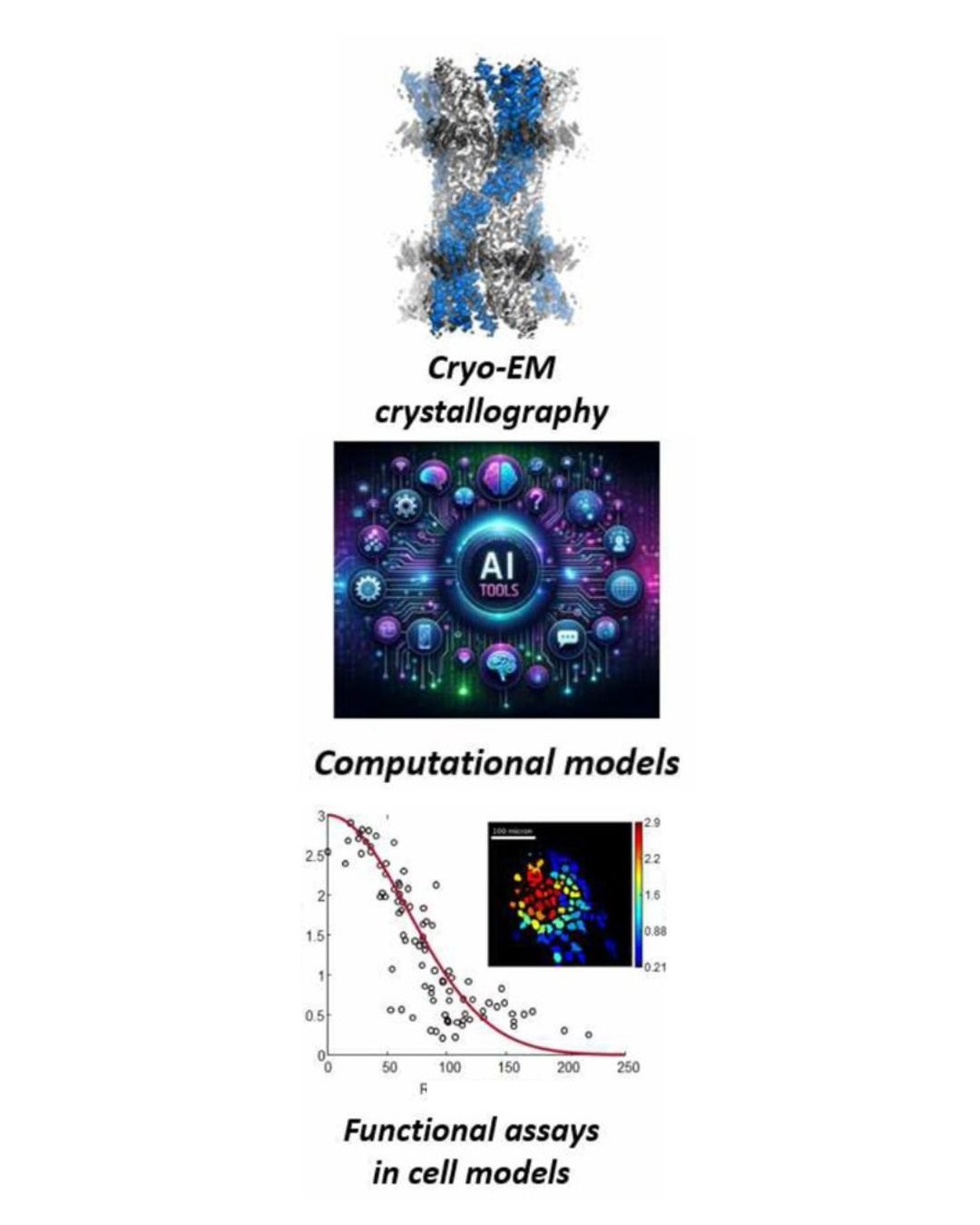
image source: AskBio.com
Dr. Volodymyr Korkhov, Dr. Johannes Kirchmair, Dr. Mario Bortolozzi (Synergy grant)
Project: “A multidisciplinary approach to identify small molecules targeting the N-terminal helix of Cx32 channels carrying CMTX1 mutations.”
This synergy grant brings together 3 top scientists, in 3 separate countries, on 3 different topics, but with 1 focus; develop an AI driven drug screening platform for X-Linked CMT. The goal is to develop 3D models of how mutations physically change the structure of connexin 32 (Cx32) protein in order to perform computational drug screens (100k – 1m+ drugs) using advanced AI systems. By visualizing how the mutations alter the protein, the researchers can use AI to screen for drugs that fit into that protein opening (lock and key system).” Identifying these drugs moves us closer to correcting the functional defects of the CMT affected protein.